
If you’re considering composite bonding in Leeds, you may be wondering what your teeth will feel like after treatment. Will they feel different? Is sensitivity normal?
Author Archives: AdminSmiles
03
Oct
Oct
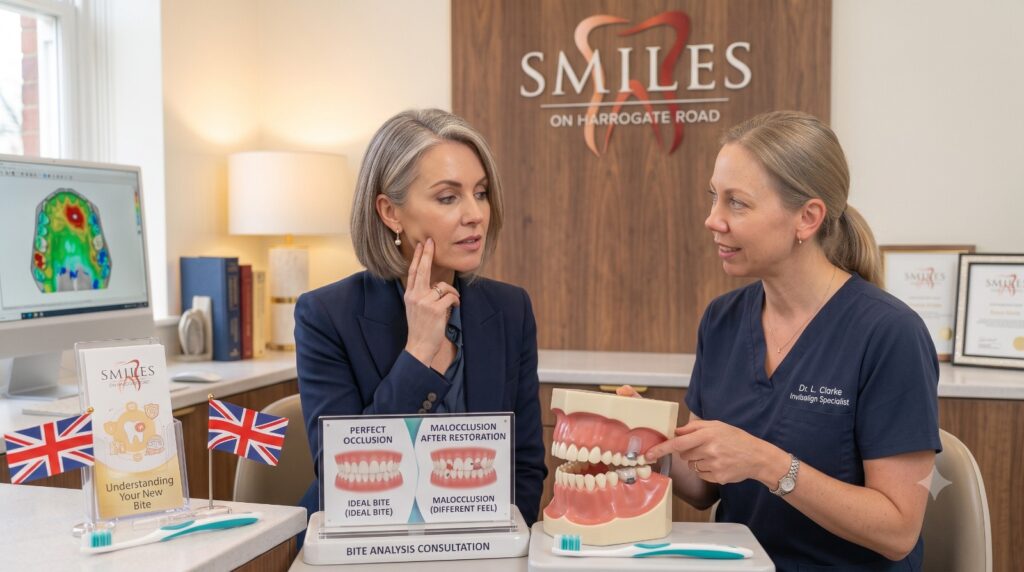
If your bite feel different after dental work and the sensation isn’t settling, the best approach is to have it checked by a dental professional.
15
Sep
Sep
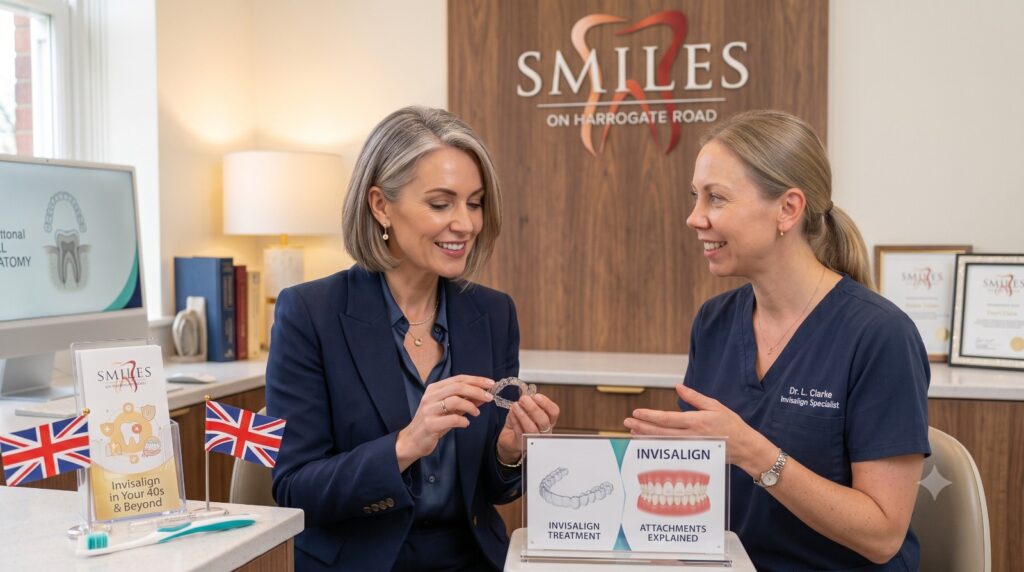
If you’re wondering, “Am I too old for Invisalign in my 40s?”, the short answer is no. Age alone doesn’t prevent you from having Invisalign.
03
Sep
Sep
Enhanced Preventative Dental Care with the Pearl Plan. Maintaining a healthy smile requires regular professional care and preventative treatment. For £35.83 per month
03
Sep
Sep
Affordable Preventative Dental Care with the Pure Plan. Looking after your smile should be simple, affordable and convenient. For just £24.50 per month
03
Sep
Sep
If you’re considering professional teeth whitening, one of the most common questions is: how long does teeth whitening last in the UK? The good news is that professional teeth whitening can give you a noticeably brighter smile, but the longevity of your results depends on your lifestyle, diet and oral hygiene routine.
25
Aug
Aug
If you’re considering Invisalign in Leeds, you may have heard your dentist mention Invisalign attachments. But what are they, and do Invisalign attachments hurt?
31
Jul
Jul
If your gums have suddenly started hurting when flossing, don’t ignore the warning signs. Early treatment can prevent more serious dental problems and help you maintain a healthy smile for years to come.
10
Jul
Jul
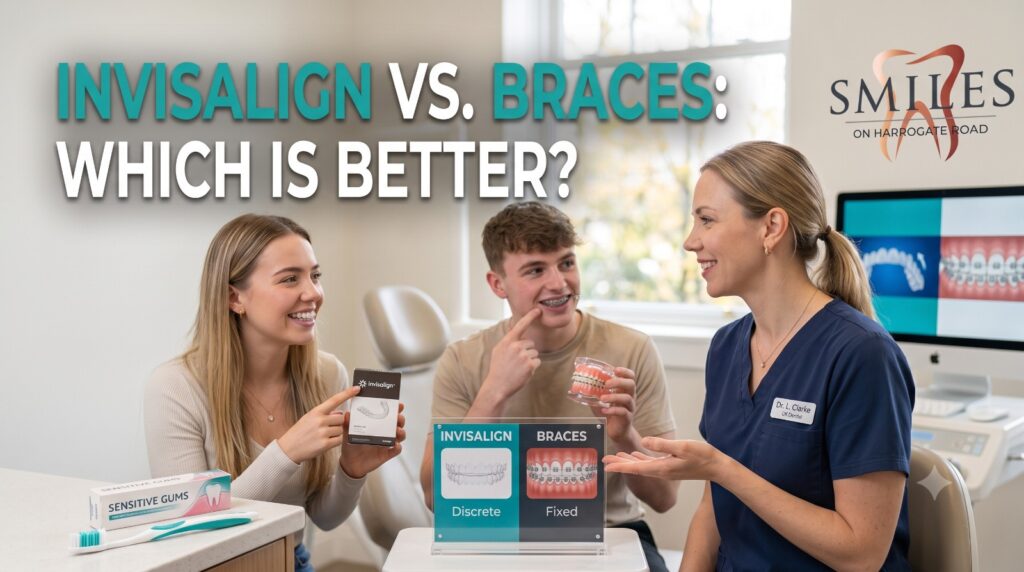
Thinking about straightening your teeth? Explore the pros and cons of Invisalign vs traditional braces to find the perfect treatment for your smile goals.
04
Jul
Jul
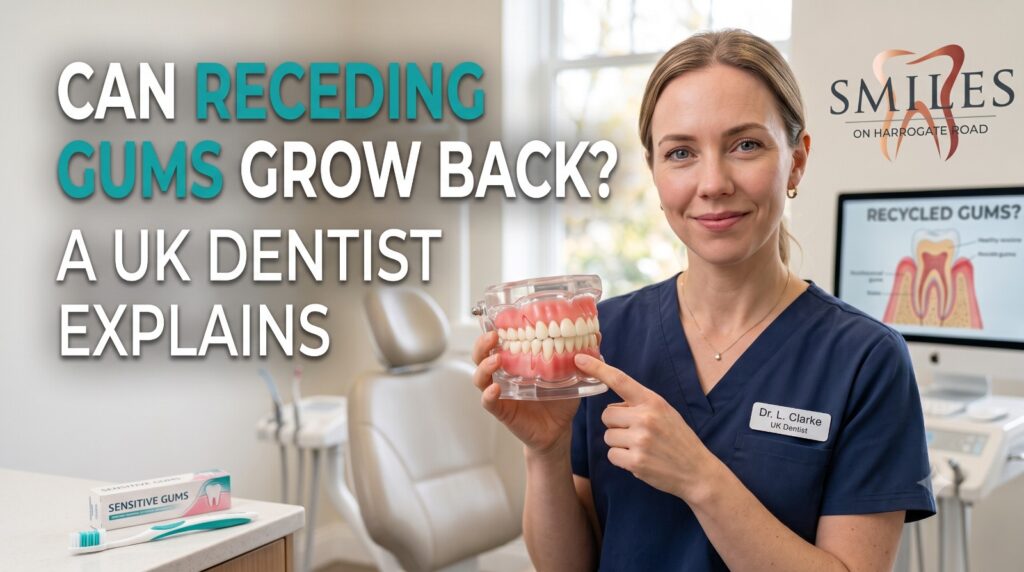
While receding gums cannot grow back naturally, early diagnosis can prevent the problem from getting worse and help protect your natural teeth.
- 1
- 2